 Call Now
One moment everything feels fine and then you feel something hard in your mouth while eating and realize your dental crown has come off. It is a disorienting experience and most people do not know whether to panic, call their dentist immediately, or just wait and see. The short answer is that a lost dental crown needs attention sooner rather than later, even when there is no pain involved. What you do in the hours after it happens can make a meaningful difference in how simple or complicated the fix turns out to be.
Dr. Andrew Wiemeyer and Dr. Samuel Lee at Contemporary Prosthodontics handle situations like this regularly. As prosthodontists with specialized training in restorative dental work, they understand that losing a crown feels alarming and that patients need clear, honest guidance on what to do next. This blog walks you through exactly that.
Your First Steps After Losing a Crown
The first thing to do is stay calm and locate the crown if you can. Do not throw it away. Rinse it gently with warm water, dry it carefully, and store it somewhere safe like a small zip lock bag or a clean container. In some cases, especially if the crown came off cleanly and the underlying tooth is still in good shape, your dentist may be able to re-cement the same crown rather than making a new one. Bringing it to your appointment could save you both time and money.
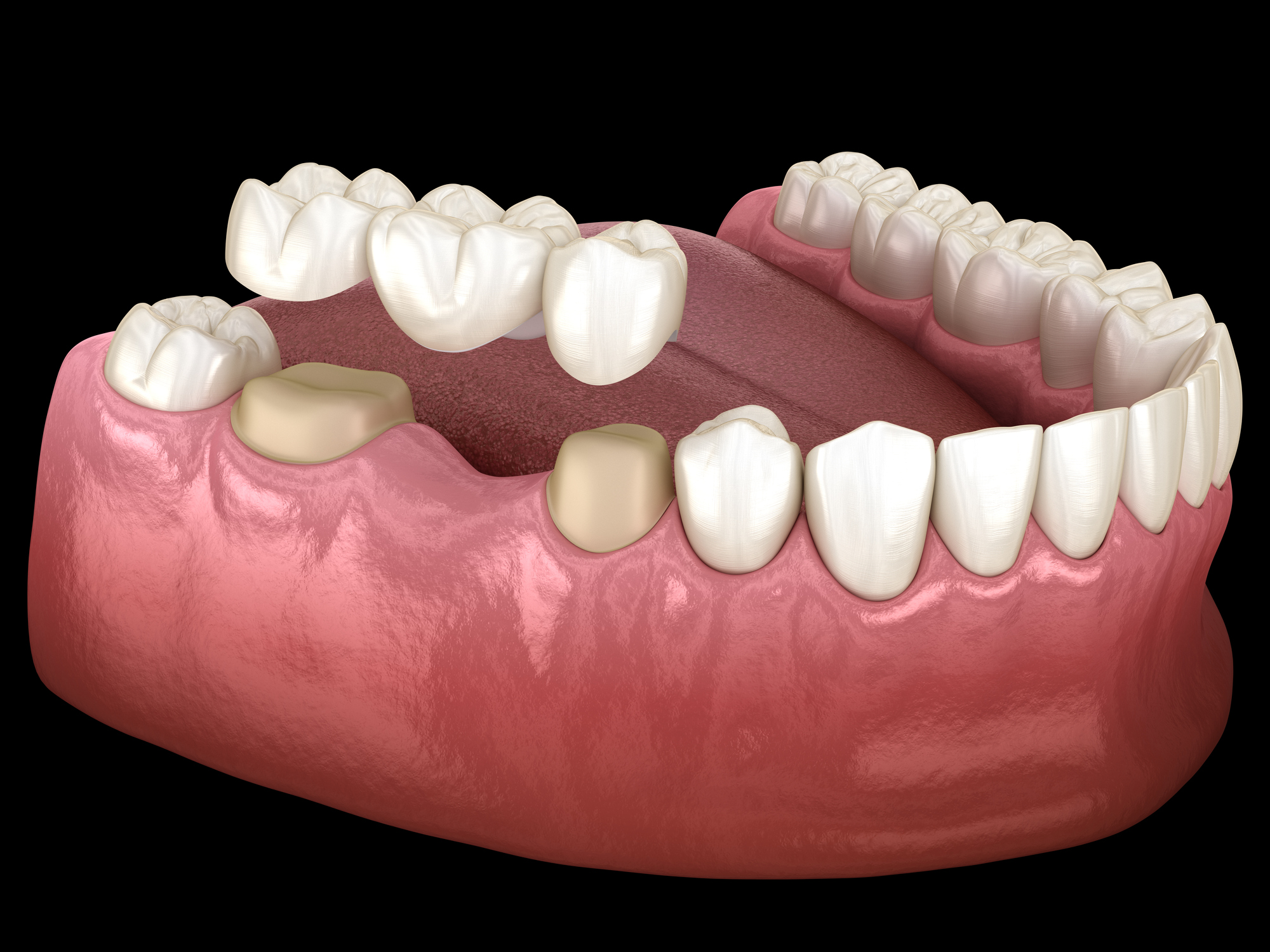
Once you have secured the crown, look at the tooth underneath. Run your tongue over it carefully. A tooth that has had a crown placed on it has usually been filed down to create a proper fit for the restoration. That prepared tooth is now exposed and significantly more vulnerable than a natural tooth. It has less enamel, less structural strength, and often heightened sensitivity to temperature, pressure, and air.
If you are experiencing sharp edges that are cutting your tongue or cheek, a small piece of orthodontic wax from a pharmacy can smooth things over temporarily while you wait for your appointment. This is particularly helpful when a temporary dental crown fell off before your permanent one was ready.
Is a Lost Dental Crown a Dental Emergency
This is one of the most common questions patients ask, and the honest answer is that it depends on the condition of the tooth underneath.
If you have severe pain, visible decay in the exposed tooth, swelling in the gum tissue around it, or a bad taste coming from the site, treat it as an emergency and call your dentist the same day. These are signs that the tooth underneath may be infected or significantly compromised.
If the dental crown fell off with no pain and the tooth feels smooth and intact, it is still urgent but does not necessarily require a same day emergency visit. Most dentists will want to see you within a day or two. The longer the tooth sits unprotected, the greater the risk of fracture, decay, and sensitivity that makes the eventual fix more involved.
Knowing how long can you go without a dental crown is a reasonable question. The general guidance is no more than a few days without at least contacting your provider. Waiting a week or more significantly raises the risk of damage to the prepared tooth.
Why Dental Crowns Come Off
Understanding why it happened helps prevent it from happening again.
The most common reason is that the dental cement holding the crown in place has broken down over time. Cement does not last forever. Years of chewing pressure, temperature changes from hot and cold food, and normal wear gradually weaken the bond until it gives way.
Decay developing under the crown is another frequent cause. When bacteria get between the crown margin and the tooth, decay can work its way in silently. By the time the crown comes loose, there may already be a cavity forming underneath that needs to be treated before a new crown can be placed. This is one of the reasons dental crown came off at home situations should be checked promptly rather than ignored.
Grinding your teeth at night puts repeated stress on crowns and can shorten their lifespan significantly. Chewing very hard or sticky foods, opening packaging with your teeth, and trauma from an impact can also cause a crown to dislodge.
What Happens at Your Appointment
When you come in after losing a crown, the first step is always an examination and imaging to assess the condition of the underlying tooth. Your prosthodontist needs to determine whether the tooth is healthy enough to simply re-cement the existing crown, whether decay needs to be treated first, or whether a new crown needs to be made.
For patients looking for dental crowns in duxbury with a lost or failing restoration, this evaluation is critical. A general dentist can re-cement a crown, but a prosthodontist brings a level of precision to the fit, bite, and long-term planning of the restoration that makes a meaningful difference in how long it lasts.
If re-cementing is appropriate, the procedure is straightforward. The existing crown is cleaned, the tooth is prepared, and the crown is seated and cemented back in place in a single visit. If a new crown is needed, impressions are taken, a temporary crown is placed to protect the tooth while the permanent one is fabricated, and you return for the final fitting once it is ready.
Patients who visit prosthodontists in duxbury for this kind of restorative work benefit from the specialist’s understanding of how bite forces, adjacent teeth, and overall oral structure affect the long-term success of the restoration.
What Not to Do After Losing a Dental Crown
Do not try to glue the crown back yourself using household adhesives. Super glue and similar products are not safe for use in the mouth and can damage both the crown and the underlying tooth, making the professional repair more difficult and more expensive. Dental adhesives sold at pharmacies are intended only as a very short-term temporary measure, not a fix.
Do not eat on the exposed side of your mouth. Avoid hard, crunchy, and sticky foods entirely until the crown is back in place. Chewing on the exposed tooth risks fracturing it, which can turn a simple re-cementing job into a much more involved treatment.
Ready to Restore Your Smile
A lost dental crown does not have to become a bigger problem than it already is. Acting quickly, bringing the crown with you, and getting evaluated by a specialist puts you in the best position for a straightforward fix. Dr. Wiemeyer’s prosthodontic expertise means every crown case at Contemporary Prosthodontics is evaluated with the full picture in mind, from the health of the underlying tooth to the long-term fit of the restoration. Patients from Duxbury and nearby communities including Pembroke, Hanover, and Kingston trust that level of care when something goes wrong with their dental work. Our dentists are proudly serving around the Duxbury area and would be glad to see you quickly and get your smile back on track. Call Contemporary Prosthodontics today to book an urgent appointment.
Frequently Asked Questions
Can a lost dental crown be put back on or does it always need to be replaced?
In many cases the same crown can be re-cemented if it is intact and the underlying tooth is healthy. Your prosthodontist will examine both the crown and the tooth before making that decision. If there is decay underneath or the crown is damaged, a new one will need to be made.
What should I do if my dental crown fell off with no pain?
Even without pain, the exposed tooth is vulnerable and needs to be seen promptly. Store the crown safely, avoid chewing on that side, and contact your dentist within a day or two to arrange an appointment.
How long can I leave a tooth without a crown?
Ideally no more than a few days. The prepared tooth underneath a crown has less protective enamel than a natural tooth, making it susceptible to fracture, sensitivity, and decay. Waiting too long can complicate the repair significantly.
What causes a dental crown to fall off?
The most common causes are cement breakdown over time, decay developing under the crown, grinding habits, and chewing very hard or sticky foods. Your prosthodontist can identify the cause and advise on how to prevent it from happening again with the replacement crown.