 Call Now
Dental implants have become a trusted and long-lasting solution for replacing missing teeth, offering both functional and aesthetic benefits. While the success rate of dental implant treatment is high, some patients may experience unusual sensations during the healing phase, including a metallic taste in the mouth. If you have experienced this, you are not alone, and understanding the cause can help you feel more at ease.
Is a Metallic Taste After Dental Implants Normal?
A metallic taste after receiving dental implants is uncommon, but it can occur in certain situations. In most cases, this sensation is temporary and resolves on its own. It’s important to remember that every patient responds differently to dental procedures, and mild sensory changes can occur as your body adjusts.
Being aware of possible post-treatment sensations can help set realistic expectations and reduce unnecessary concern during the healing process.
Possible Causes of a Metallic Taste
1. Healing Process and Minor Bleeding
After implant placement, your gums and surrounding tissues begin to heal. During this period, slight bleeding or blood in the mouth can cause a metallic taste. This is usually short-lived and fades as healing progresses.
2. Interaction with Saliva
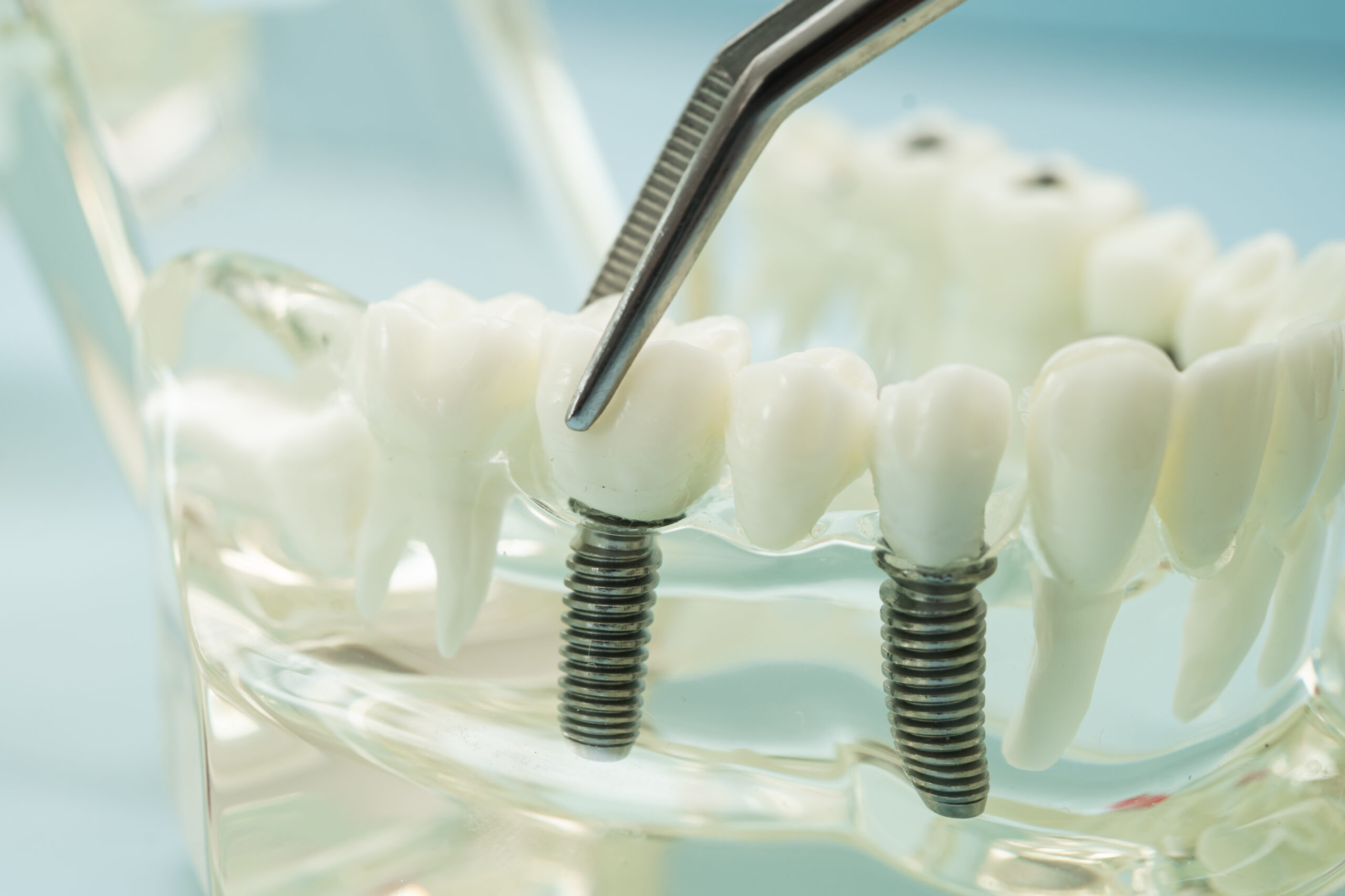
Dental implants are typically made from biocompatible materials like titanium. Although rare, some individuals may notice a temporary taste due to interactions between the implant surface and saliva, especially in the early stages after placement.
3. Medications After Surgery
Patients undergoing dental implant treatment are often prescribed antibiotics or pain medications. Some of these medications can alter your sense of taste, leading to a metallic or bitter sensation. Once the medication is completed, your taste usually returns to normal.
4. Oral Hygiene Challenges
Maintaining proper oral hygiene after implant placement is essential. If bacteria accumulate around the surgical site, it can contribute to unusual tastes in the mouth. This is not directly caused by the implant itself but rather by plaque buildup or mild inflammation.
When Should You Be Concerned?
A temporary metallic taste is generally not a cause for concern. However, if the sensation persists for several weeks or is accompanied by other symptoms, it may indicate an underlying issue. Watch for signs such as:
- Persistent bad taste or odor
- Swelling or discomfort around the implant
- Difficulty chewing or sensitivity
- Signs of infection
If you notice any of these symptoms, it’s important to consult a qualified dental professional promptly to ensure proper healing and implant success.
How to Manage or Prevent Metallic Taste
While most cases resolve naturally, there are simple steps you can take to minimize or prevent a metallic taste:
- Maintain excellent oral hygiene: Gently brushing and rinsing helps keep the area clean and reduces bacterial buildup.
- Stay hydrated: Drinking water can help wash away residual tastes and keep your mouth fresh.
- Follow post-procedure instructions carefully: Adhering to your dentist’s recommendations supports proper healing.
- Avoid strong foods temporarily: Spicy or acidic foods may intensify unusual tastes during recovery.
Patients exploring dental implants in Duxbury often benefit from a personalized care plan that emphasizes both comfort and long-term success.
Confident Care and Long-Term Comfort at Contemporary Prosthodontics
Your comfort and peace of mind matter just as much as your results. At Contemporary Prosthodontics, we take a thoughtful, patient-first approach to dental implant treatment, focusing on precision, safety, and long-term oral health. If you have questions about unusual symptoms, such as a metallic taste, or want to better understand your options, contact us to connect with our team today and experience care built on expertise and trust.
Frequently Asked Questions
1. Is it normal to have a metallic taste after dental implant treatment?
Yes, although it’s uncommon, some patients may experience a temporary metallic taste after dental implant treatment. This usually fades as the healing process progresses.
2. What causes a metallic taste after getting dental implants?
Common causes include minor bleeding during healing, medications, temporary changes in oral bacteria, or sensitivity in the treated area.
3. Can dental implants react with saliva and cause a taste?
Dental implants are made from biocompatible materials, so reactions are rare. However, some patients may notice a temporary taste as their mouth adjusts.
4. Is a metallic taste a sign of implant failure?
No, a metallic taste alone is not a sign of implant failure. However, if it is accompanied by pain, mobility, or swelling, a professional evaluation is recommended.